
Moving to Sweden from the USA in 2026 is a real possibility, but it is not a casual decision. Americans cannot simply relocate without a valid permit tied to work, study, or a family connection with a Swedish resident. The process rewards early planning and honest assessment of your situation.
Relocating from the USA to Sweden requires a permit, planning, and patience.
Quick Facts
- Best for: Americans planning a long-term move to Sweden with a permit pathway identified
- Main pathways: Work permit, study permit, family-based permit
- Work permit salary floor: SEK 33,390/month (from June 2026)
- Study permit: Requires full-time enrolment in a recognised Swedish higher education programme
- Job market: Challenging with unemployment at 8.8% overall, significantly higher for foreign-born residents
- Shortage sectors: Healthcare, defence, specialised technical roles
- Average monthly cost of living: $1,728 in Sweden vs $2,516 in the USA
1. The Three Permit Pathways
No permit, no legal residence. That is the starting point. Americans have three realistic routes:
Work permit is the most common path for professionals. It requires a formal written job offer from a Swedish employer, a minimum monthly salary of SEK 33,390 (90% of median wage from June 2026), and the employer must first advertise the role in Sweden and EU/EEA for at least 10 days. The employer initiates the application through the Swedish Migration Agency.
Study permit is a strong alternative, particularly for Master’s and PhD programmes. You need an unconditional offer from a full-time programme at a recognised Swedish institution. Tuition for non-EU students applies, though several scholarship programmes exist including the Swedish Institute Scholarship.
Family-based permit applies if you have a Swedish partner, spouse, or close family member who is a resident. This has its own documentation requirements and processing times.
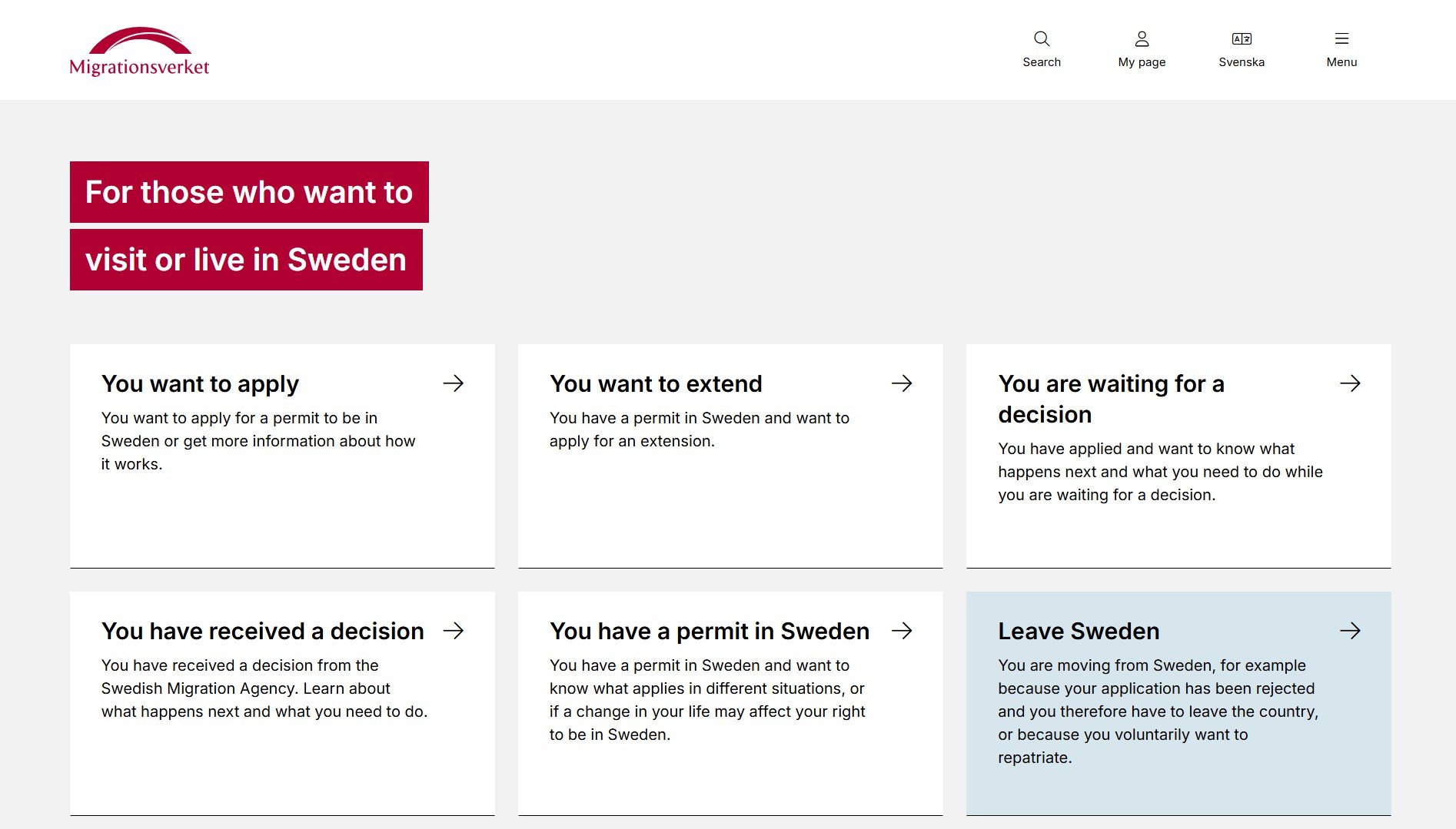 Always verify current requirements directly with the Swedish Migration Agency before submitting an application.

2. The Job Market Reality
Be honest about this before you arrive. Sweden’s unemployment rate sits around 8.8% overall, and the figure is significantly higher for foreign-born residents competing against Swedish and EU candidates who do not require sponsorship.
This does not mean the job market is closed to Americans. It means the market rewards preparation. Sectors with genuine shortages include healthcare, defence, and specialised technical roles. Tech companies in Stockholm also actively recruit internationally. But cold applications without Swedish language skills and no local network face long odds.
Prepare your job search strategy before you move. Update your LinkedIn with a Stockholm location, start connecting with Swedish companies in your sector, and research which employers sponsor work permits. Arriving with a job already confirmed in hand is the safest path.
3. First Priorities After Arrival
Once your permit is approved and you arrive, administrative tasks move fast. Prioritise these in your first week:
Register with Skatteverket as soon as possible. This is the gateway to your personnummer (personal number), which unlocks almost everything else in Sweden: bank accounts, healthcare, tax filings, and more. Visit a Skatteverket service office in person with your permit documents.
Open a Swedish bank account physically. This requires visiting a branch in person with your passport and residence permit. Accounts at Swedbank, SEB, or Handelsbanken are the most common choices. Do not delay this, as many services require a Swedish account.
Set up BankID immediately. BankID is not optional in Sweden. It is how you access banking, healthcare appointments, government services, signing contracts, and even logging into your workplace systems. Download the app from your bank’s website and activate it on your phone on day one.
4. Practical Tips From Expats Who Made the Move
These points come up repeatedly from Americans who have successfully relocated:
Bring enough funds to cover one to two months of expenses while admin is being sorted. Opening bank accounts, getting paid through payroll, and navigating Swedish bureaucracy takes longer than most Americans expect. Having a financial buffer removes pressure.
Use Apple Pay or Google Pay from day one. American credit cards frequently do not work with Swedish payment terminals, especially for transit tickets, parking, and smaller vendors. Mobile payments bridge this gap until your Swedish account is fully operational.
Sell significant assets before becoming a Swedish tax resident. Once you are a tax resident, Sweden taxes global income including capital gains. Selling appreciated stocks, investment property, or other assets before the move avoids Swedish capital gains tax on those gains.
Start learning Swedish before you arrive. This is not optional for a successful long-term move. Swedish remains the single biggest factor in both finding work and integrating socially, even in English-first workplaces. Free SFI courses are available after registration, but starting with basic vocabulary and pronunciation before arrival makes a meaningful difference.
5. Choosing Where to Live
Stockholm and Gothenburg are expensive. A one-bedroom apartment in central Stockholm can easily run SEK 15,000-20,000/month. Uppsala, Malmö, and Lund offer significantly lower costs while maintaining good job markets and infrastructure.
Uppsala is a 40-minute train ride from Stockholm, has a major university, a growing tech scene, and much more affordable housing. Malmö offers a genuinely international city with strong ties to Copenhagen, lower rents, and an expanding job market particularly in tech and logistics. Lund is compact, academic, and one of the most livable small cities in Europe.
Start your housing search before you arrive if possible, or plan for short-term accommodation (Airbnb, extended-stay hotels) for the first few weeks while you learn the neighborhoods.
 Expats who have made the move share candid advice about the realities of relocating from the USA to Sweden.
Final Thoughts
Moving to Sweden from the USA is absolutely possible in 2026, but it rewards preparation over impulse. Secure your permit pathway first, understand the job market honestly, and treat your first-week admin sprint as seriously as the move itself. The cost of living is genuinely lower than the USA on average, and the quality of life for those who adapt well makes the effort worthwhile.
Source: JetPac Global - Moving to Sweden from USA