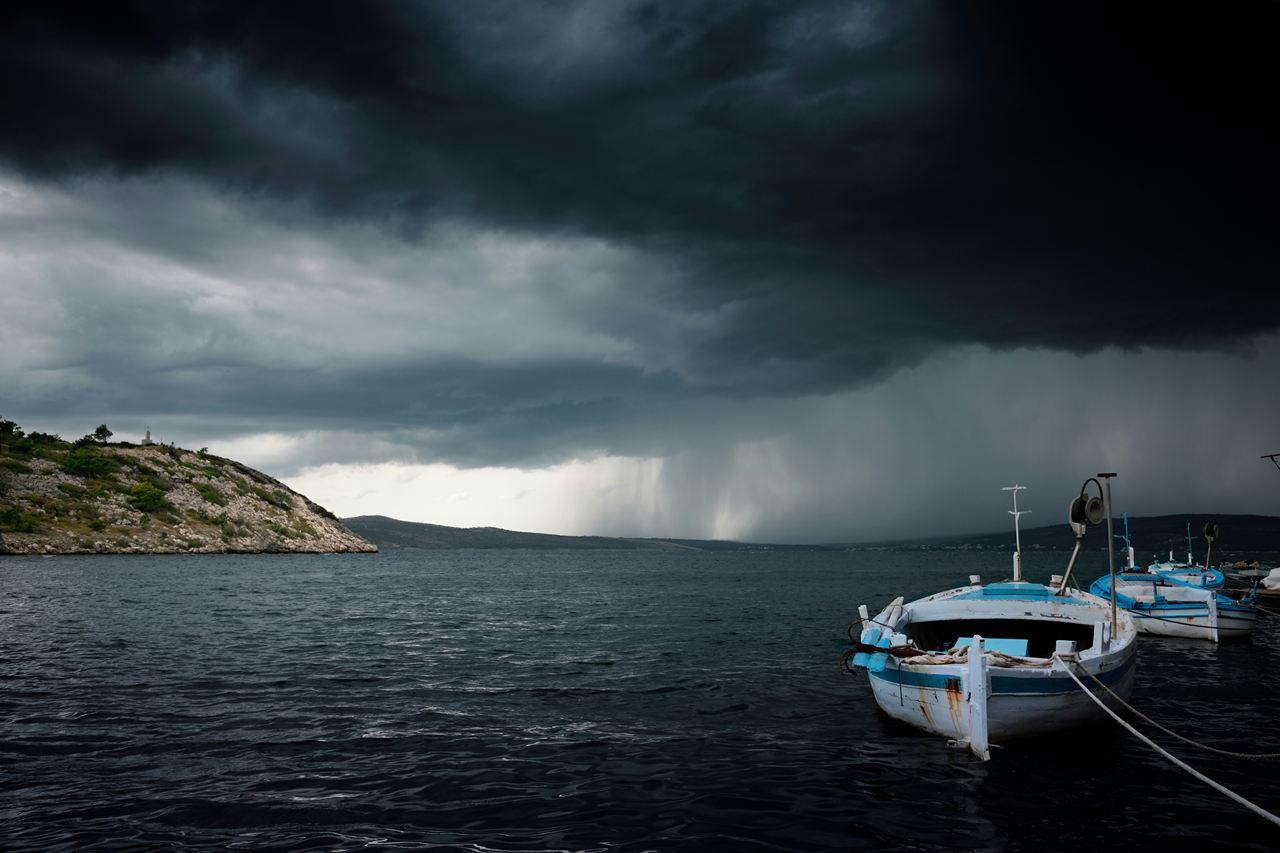
SMHI, Sweden’s meteorological agency, uses a three-tier color-coded warning system to communicate the severity and expected impact of extreme weather events. Here is how each level works and what it means for you.
Quick Facts
- Yellow: Least severe, expect disruptions and some risks
- Orange: Serious conditions, danger to public, significant damage possible
- Red: Most dangerous, extreme weather, avoid all exposure
- Note: Warnings are regionally adapted; same weather may trigger different levels depending on location
Yellow Warning: Take Extra Care
A yellow warning is the least severe level. It means certain disruptions and risks to the public are expected, and people should take extra care and preventive measures. This is particularly important if you live in exposed areas or belong to at-risk groups such as the elderly, children, or those with health conditions.
SMHI issues warnings in three colors to communicate severity clearly.
Orange Warning: Active Prevention Required
An orange warning signals serious consequences for society, danger to the public, and significant damage to property. At this level, people should avoid exposure and take active preventive action. This means reconsidering travel plans, securing outdoor furniture, and ensuring you have emergency supplies at home.
Red Warning: Avoid All Exposure
A red warning is the most severe level. It indicates that extreme weather is expected to cause severe consequences, great danger to the public, and extensive disruptions to societal functions. At this level, you should avoid all exposure entirely. Stay indoors, follow official guidance, and do not attempt to travel unless absolutely necessary.
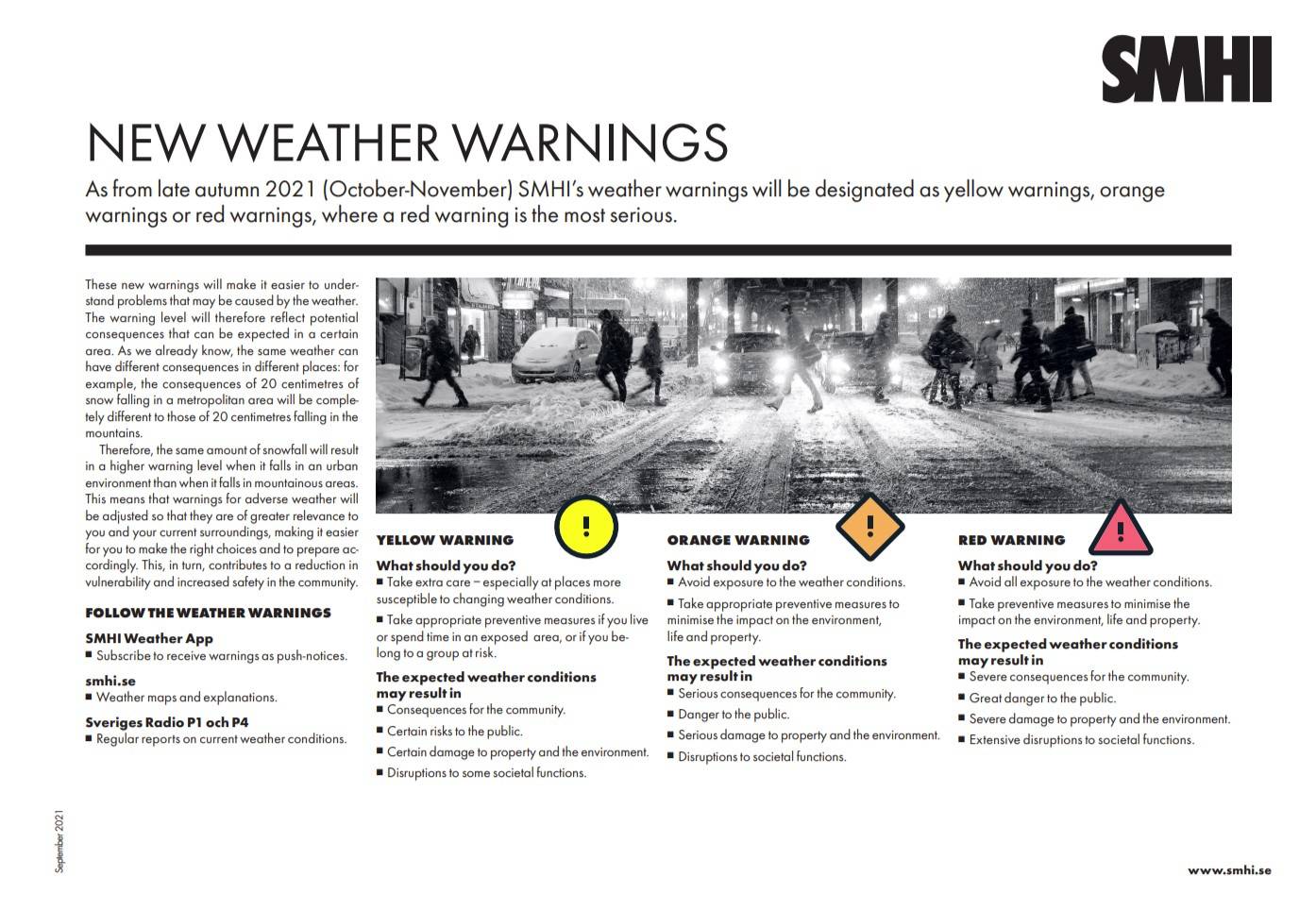 Understanding the color gradient helps you prepare for each level of severity.
Why Warnings Are Regionally Adapted
Importantly, these warnings are regionally adapted. The same amount of snowfall or wind may trigger different warning levels depending on the location. For example, 20 cm of snow in a major southern city will result in a higher warning level than the same amount falling in the mountains of northern Sweden where infrastructure and residents are better prepared for winter weather.
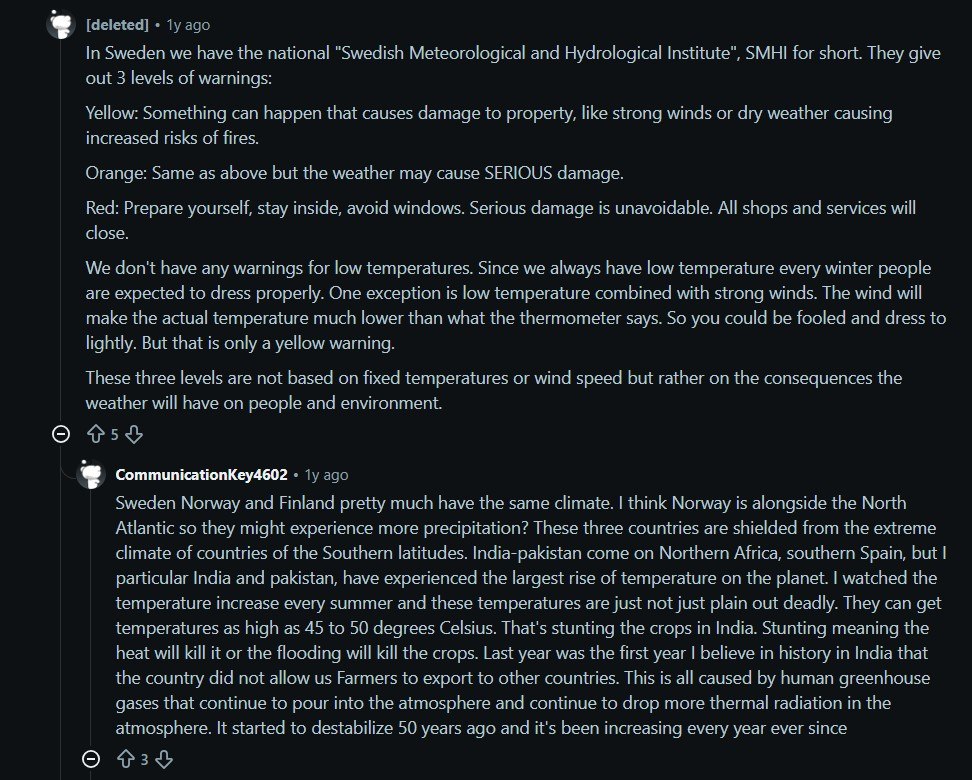 A community discussion on interpreting SMHI weather warnings in Sweden.
Final Thoughts
Always check SMHI before heading out when severe weather is forecasted. Download the SMHI app or bookmark their warnings page to stay informed. Keep emergency supplies such as food, water, a flashlight, and a phone charger ready, especially during winter months. For detailed guidance, download the official SMHI weather guide (PDF).