Södermalm, commonly just called Söder, is not a place you visit so much as a place you absorb. For more on Stockholm’s other neighbourhoods and how they connect, see our top 10 things to do in Stockholm. The atmosphere is relaxed, creative, and slightly defiant in a way that feels genuine rather than performed. It developed into one of Stockholm’s most distinct neighborhoods because the people who moved in over the decades kept making it more like themselves, and that process is still happening.
The basics: it’s an island south of the city center, connected by several bridges. The terrain is hillier than it looks on a map. The views from the southern edge toward the archipelago are better than most visitors expect and easier to miss if you don’t know where to look.
The Shopping Is Not What You Think
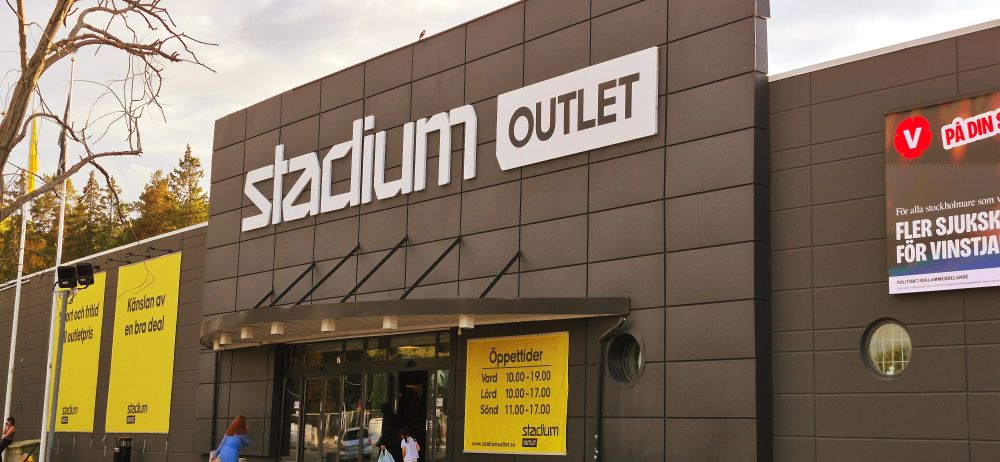
Södermalm has a reputation for trendy and expensive, which is true in parts and completely wrong in others. The vintage scene here is serious. Shops along Byargatan and the side streets off it carry second-hand pieces that range from genuinely old Swedish craft to imported finds that shouldn’t be as good as they are. The Sunday market at Medborgarplatsen is a different experience depending on the season, but consistently worth walking through. For more on the city’s cultural scene, see our culture, art, and museums guide.
The design shops skew contemporary and independent. This is not where you buy Swedish classics that appear in airport gift shops. It’s where designers and locals actually shop, which means the prices are honest and the things you find are harder to replicate elsewhere.
Food and Coffee
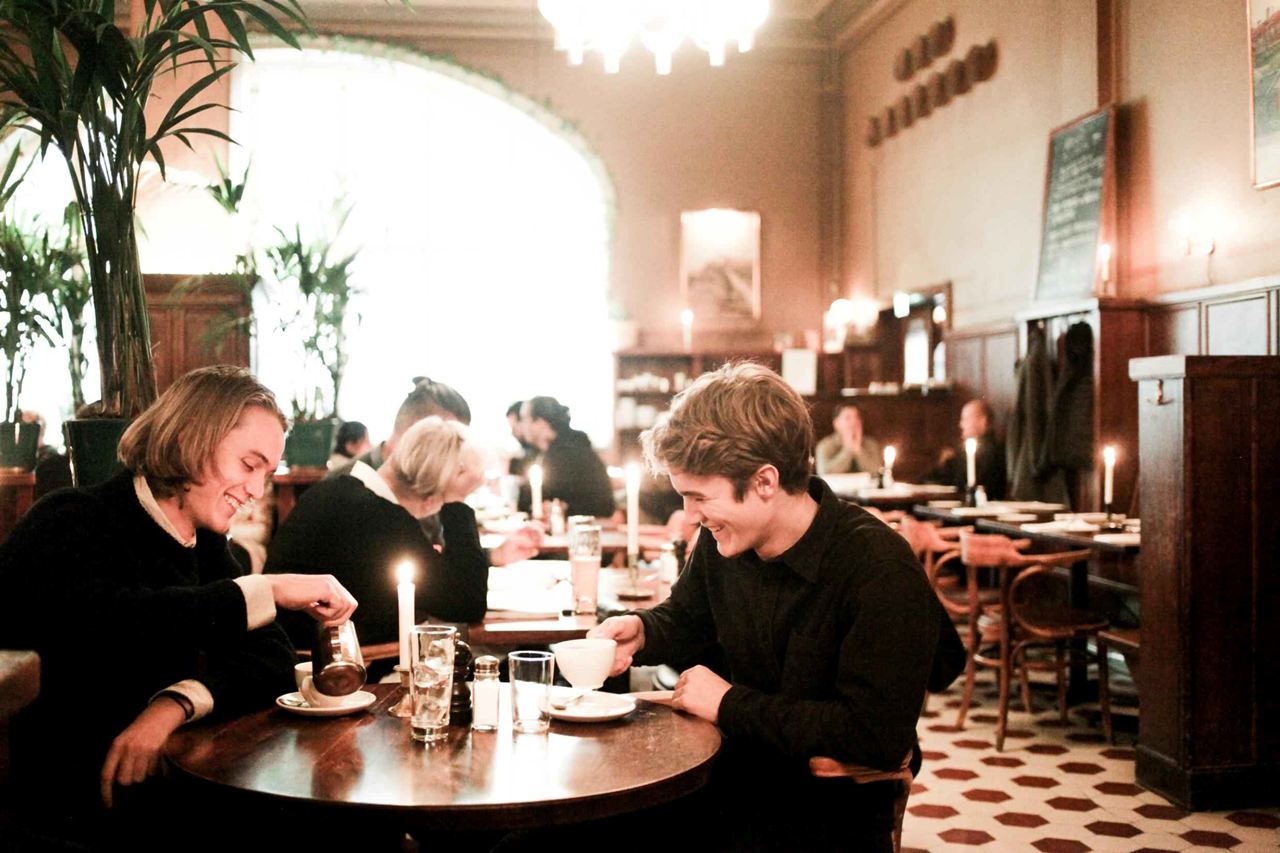
Södermalm has the density of good coffee shops that takes most neighborhoods years to develop. The competition means quality stays up. Some of the better ones have no signage in English and survive entirely on reputation, which is a good sign.
For food, the lunch spots are where it makes sense. Restaurants with menus in Swedish only, at tables that are genuinely full at one in the afternoon. The evening scene is more expensive and more visible, but the real value is in how residents actually eat in this neighborhood, which is casually and well.
What You’re Actually Looking At
The topography is the thing. Södermalm sits high enough that the surrounding city reads differently from up here. From Fjällgatan on a clear evening you can see across the water toward the archipelago in a way that surprises even people who’ve been to Stockholm before. The church of Sofia, the parks around Maria, the back streets that feel more like a small town than part of a capital.
The neighborhood also has some of the city’s older housing stock, which means buildings that predate the 20th century in ways that are visible in the street patterns and the occasional preserved facade.
What Visitors Say About Södermalm
“I love this area of Stockholm. Beautiful walks to discover away from the shopping streets. Love Södermalm! Best place in Stockholm in my opinion.”
, Social media traveler, verified visitor
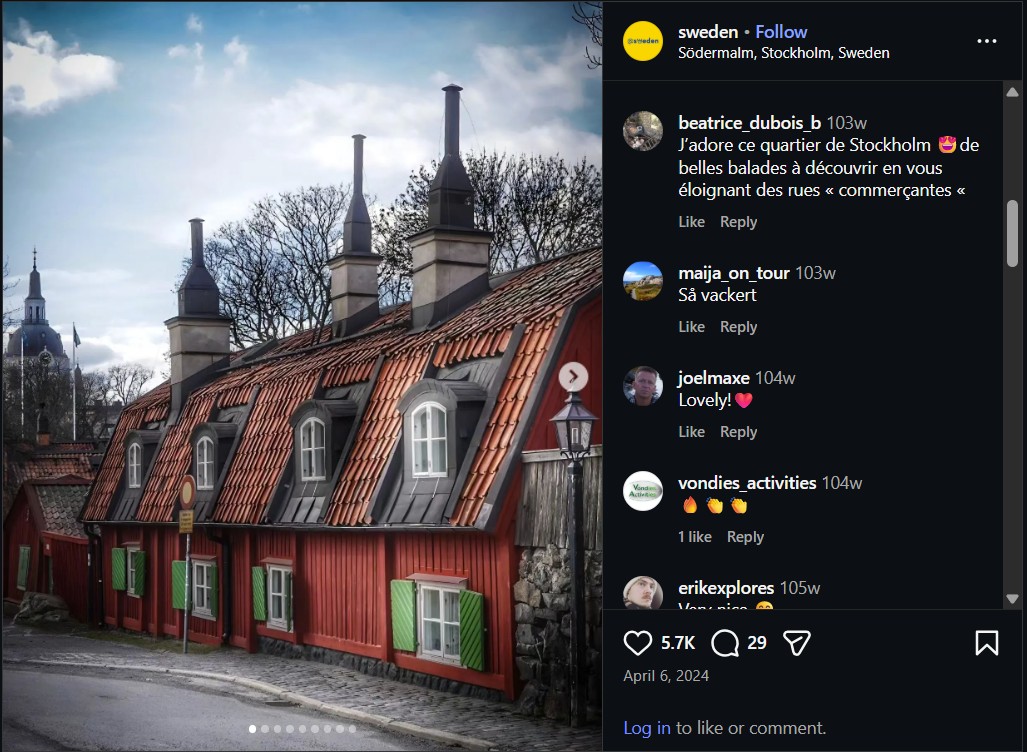
*Authentic visitor testimonial from Instagram about discovering Södermalm's lesser-known walking routes and charming back streets away from the main shopping district.*
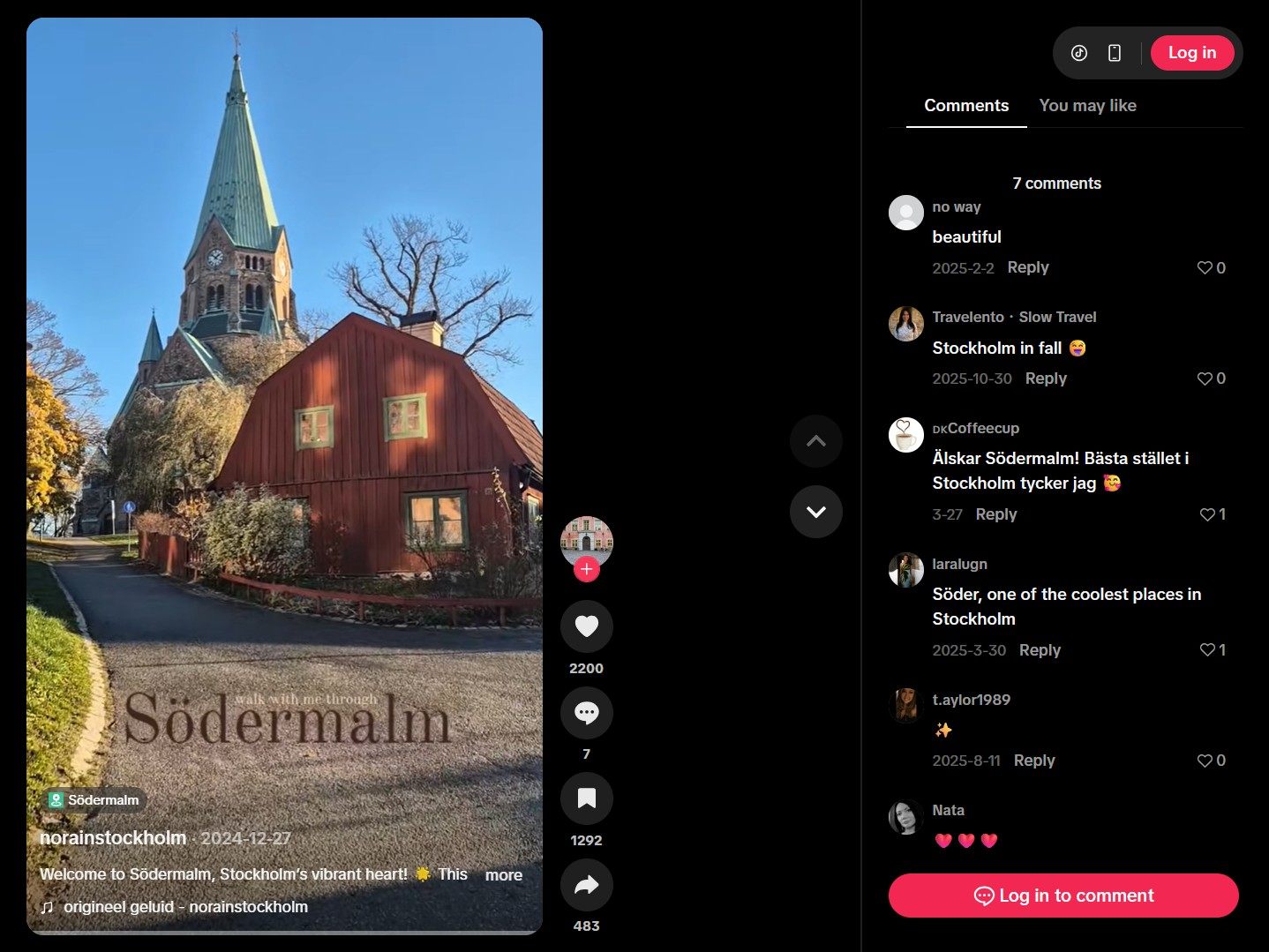
*Real traveler experience shared on TikTok, highlighting why visitors consider Södermalm the best neighborhood in Stockholm for authentic urban exploration.*
Getting There
Most of Södermalm is walkable from the city center, about 15 minutes from Gamla Stan across the bridges. The red line metro stops at Mariatorget, Södermalm, and Gullmarsplan, which cover the neighborhood from north to south. The 53 and 4 buses also run useful routes through the area.

Closing Thought
Södermalm works best when you stop trying to see all of it. Pick a street, walk it without checking what’s supposed to be good, and see what you find. The neighborhood reveals itself sideways.