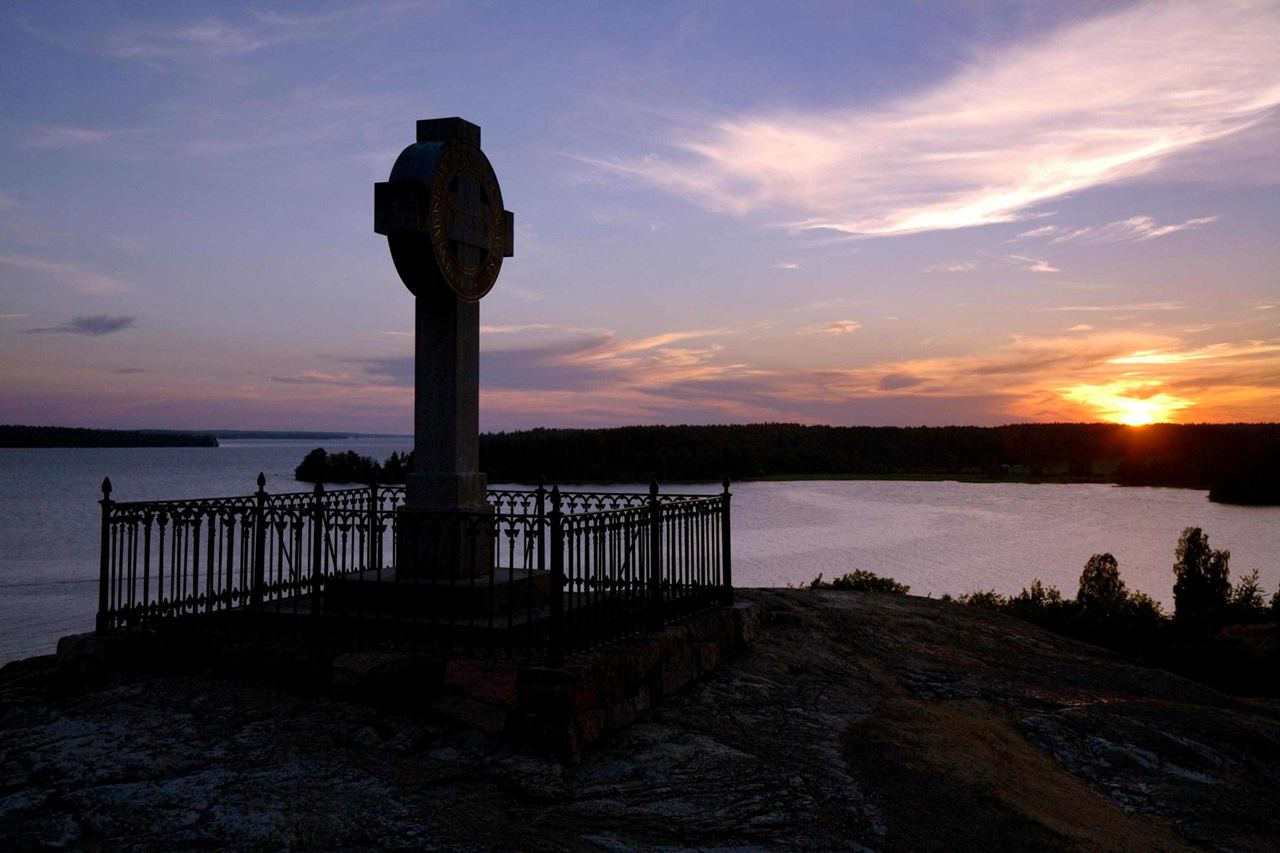
For a true Viking experience and a very enjoyable day trip from Stockholm by boat, head for the Swedish town of Birka, on the island of Bjorko, in Sweden’s lake Malaren. This is not a recreated village with actors in costume. Birka is an actual archaeological site, a UNESCO World Heritage site since 1993, and it is one of the most significant Viking Age locations in Scandinavia.
What Birka Actually Was
Birka was a thriving marketplace and international harbour in the 700s and one can still see remnants of those glory days. At its peak, the settlement housed an estimated 3,000 people, which made it larger than most towns in contemporary Europe. It was a place where Swedish traders met merchants from the Frankish Empire, the Islamic world, and the Byzantine East. The archaeology tells a story of remarkable cosmopolitanism for a remote island in a Swedish lake.
Archaeologists have been digging at Birka since the 19th century and the finds are extraordinary. Glass beads from Persia, weights used for Arabic silver coins, and bronze casting moulds suggest production as well as trade. The site sits on a hillside with a natural harbour and it is easy to see why traders chose this spot, the approach is sheltered and the water deep enough for ships.
Getting There
The boat from Stockholm takes about two hours each way, departing from Stromkajen near Gamla Stan in the summer season. See our tour of the Stockholm Archipelago for more island day trip ideas from the city. The crossing across lake Malaren is scenic, the water changes colour as you move away from the city, and on a clear day the islands look exactly as they would have looked to a Viking trader arriving for the first time.
Arrive early in the day if you can. The site is not enormous and the best interpretation panels are on the hillside above the harbour, above the reconstructed buildings. The walk up takes about ten minutes and the view over the harbour from the top is worth it before the site gets busy.
What You Will See
The reconstructed Viking settlement buildings near the harbour give a sense of scale. These are not exact replicas, but they are built using traditional methods and materials, so they look and feel correct. The walls are earth and timber, the roofs are thatched. Inside, the space is smaller than you might expect given what the settlement achieved commercially.
The museum near the dock has the finds. The glass beads are the most striking. They are small and in colours that survived eleven centuries underground. There are also comb fragments, iron tools, and a collection of gaming pieces that suggest the Vikings played board games on rainy afternoons.
What the Guidebooks Do Not Mention
The site is open year-round but the boat service runs primarily from May to September. Our off-season archipelago guide has more on planning island trips outside peak summer. Outside those months you need to arrange a special ferry or join an organised tour. The summer boats book up in July, particularly at weekends. Go on a weekday morning if you have flexibility and want to feel the site mostly to yourself.
The museum has a small cafe that serves basic food. Bring water and sun protection in summer. There is limited shade on the hillside and Malaren reflects the sun hard.
What Visitors Say About Birka
“Had an amazing time at Birka, So dreamy!”
, Social media traveler

*Authentic visitor testimonial from Instagram capturing the magical atmosphere of Birka, one of Scandinavia's most significant Viking Age heritage sites.*

*Real traveler experience shared on TikTok, highlighting the dreamlike quality of stepping back into Viking history at this UNESCO World Heritage site.*

Closing Thought
Birka is not dramatic in the way a castle or a cathedral is dramatic. If you’re planning more of Stockholm’s cultural history, see our culture and museums guide for other heritage sites in the city. It does not announce itself. But standing on the ridge where a Viking merchant once watched his ship come into harbour, looking at glass beads from Baghdad and iron from Scandinavia in the same display case, the scale of what those people achieved becomes harder to ignore.