A week in Stockholm is the right amount of time. Three days feels rushed, two weeks is luxuriously possible but not always available. Seven days lets you actually live in the city rather than tour it, which is the difference between going to Stockholm and experiencing it.
This is not a list of everything you must see. It’s a framework for not wasting your time on the wrong things.
Days 1-2: The Core
Start with Gamla Stan in the early morning before the cruise crowds arrive. Walk the old town without a plan, pick a side street for lunch, and let the Royal Palace be a background thing rather than a scheduled event. The palace is the King’s actual workplace, which changes the energy of it once you know.
End day one somewhere with a view of the water. Riddarholmen is free and less crowded than most viewpoints, and the church there is where Swedish royalty has been buried since the 17th century. The sunset from that area is genuinely good.
Day two, commit to the Vasa Museum and accept you’ll be there longer than you planned. After that, walk across Djurgården toward the waterfront. The park is large enough that you can find quiet even on a busy day. If you have energy left, Fotografiska is nearby and worth the time.
Days 3-4: The Neighborhoods
Stop doing tourist things and just walk. Vasastan has coffee shops that don’t appear on travel blogs. Södermalm is where the actual social life of the city happens, see our full guide to Södermalm for the best vintage shops, coffee spots, and viewpoints. Medborgarplatsen on a weekday afternoon has a market that most visitors never find.
For food, make one dinner reservation somewhere serious and eat the rest casually. The restaurant scene in Stockholm is better than most people expect, and the serious places don’t need to be expensive. A good herring tasting at a place with no English signage is often better than the restaurant with the Instagram presence.
Day four, take a morning ferry to an island. Not Vaxholm, which is lovely but covered in tour groups in summer. Something smaller. The SL ferry system reaches most of them and a day pass works on both the boat and the metro.
Day 5: Museums and Parks
The Moderna Museet and the National Museum are both strong and very different. One afternoon split between them is not unreasonable. The National Museum has a quieter energy, Moderna is more likely to genuinely surprise you. Waldemarsudde is the outlier worth adding if you have energy for a third museum.
Walks along the waterfront from Strandvägen are consistently pleasant. The stretch from Nybroplan to Djurgården on a clear morning is one of the better urban walks in Europe.
Days 6-7: Slow Down and Leave Things Unplanned
Stockholm rewards the unhurried. A morning at a café that takes an hour, a walk through a neighborhood you haven’t researched, a ferry you just get on because it looked interesting. The archipelago ferries are public transport, which means you can take a Tuesday morning crossing to somewhere quiet without it being a special excursion.
The last two days don’t need more attractions. They need more time to sit with what you’ve seen.
Worth Seeing
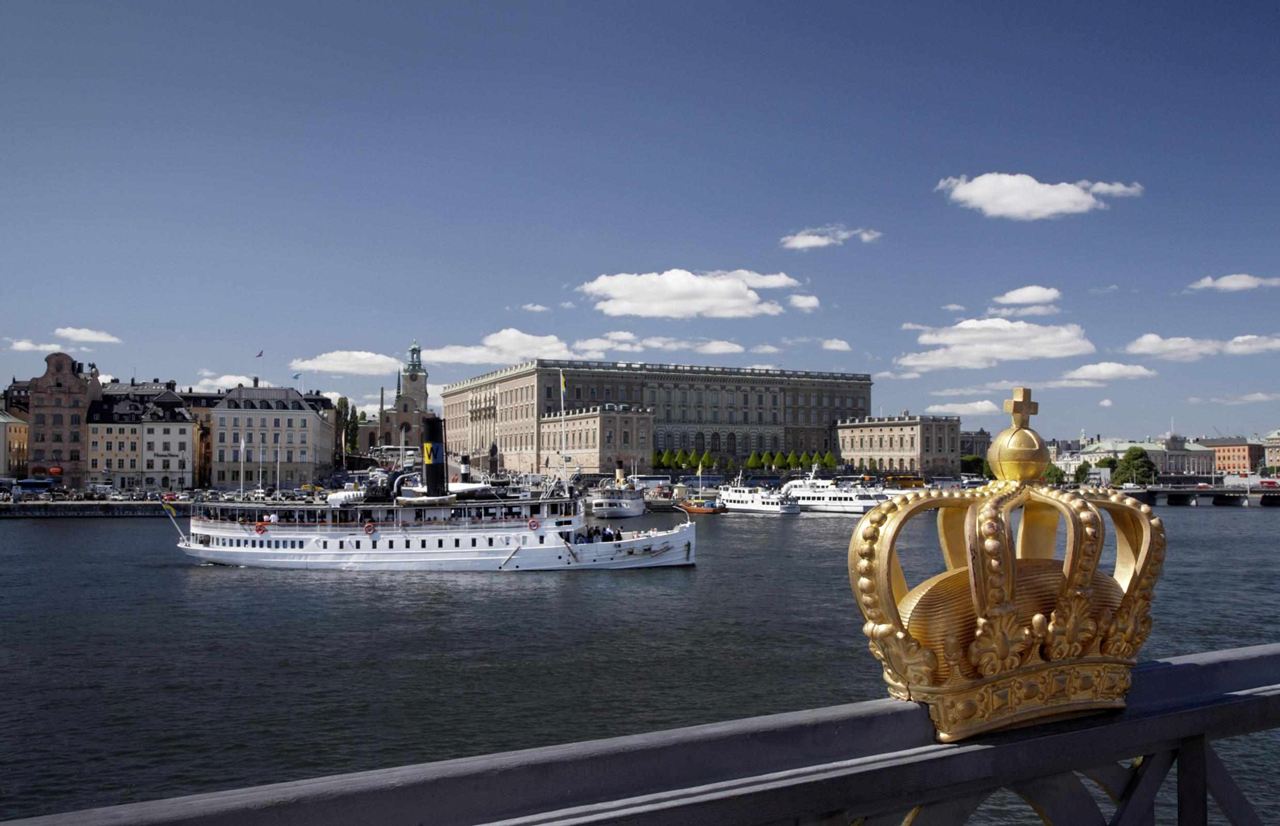
*The Royal Palace of Stockholm is the King's official residence and the setting for most of the monarchy's official receptions. But on a quiet morning, it's also just a very large and slightly unexpected building in the middle of the old town, worth walking around without going inside.*
Getting There
Fly into Arlanda and take the Arlanda Express to central Stockholm, about 20 minutes. If you’re coming from Helsinki or Turku, the overnight ferry is a civilized arrival method that puts you in the city in the morning without feeling like you wasted a travel day.
Get an SL card immediately. It works on the metro, buses, trams, and archipelago ferries. See our guide to buying SL tickets for practical details. Stockholm is manageable without a car and genuinely annoying with one in the center.
A Practical Note
Book the Vasa Museum in advance if you’re visiting between June and August. The lines are real. Everything else you can walk into. The Swedish Museum of Natural History and the Royal Armory are both worthwhile backups if the main attractions feel too crowded.
Closing Thought
The best week in Stockholm ends with you having a clear idea of when you’d go back, what you’d skip, and what you want to see in a different season. Stockholm in December is a completely different city, and once you know the summer version, you want to know the winter one.