Cultural Stockholm. Trendy Stockholm. Cool Stockholm. Designer Stockholm. All of these exist simultaneously, overlapping in the same neighbourhoods and on the same streets. The city does not choose between its past and its future, it holds both.
The Essential Museums
The Vasa Museum (Vasamuseet) is the one museum in Stockholm that almost nobody regrets visiting. The Vasa is a 17th-century warship that sank on its maiden voyage and was recovered in 1961. It is displayed intact, in a building designed around it, with context in Swedish, English, and most other languages. Allow two to three hours. It is on Djurgården.
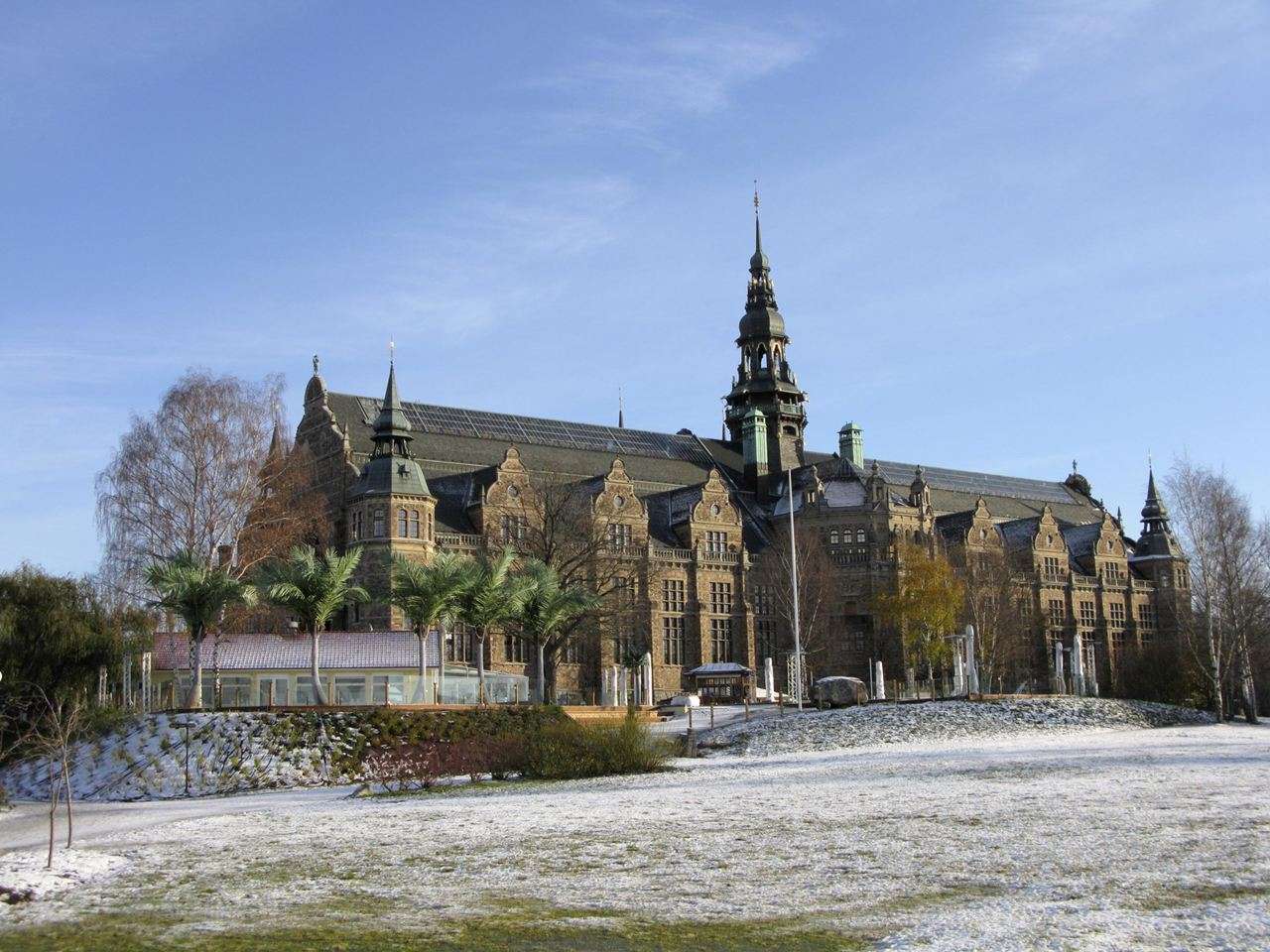
The Nordic Museum (Nordiska Museet) was founded by Arthur Hazelius in the late 1800s to preserve Swedish folk culture. The building that houses the extensive collections was inaugurated in 1907 and the museum was turned into a foundation owned by the Swedish people. It covers clothing, folk art, photography, and everyday objects across centuries. Also on Djurgården, it pairs well with the Vasa.
Moderna Museet is Stockholm’s modern art museum, located on Skeppsholmen island. It holds works by Picasso, Matisse, Duchamp, and a strong collection of post-war Swedish and international art. The building itself is worth seeing. Free admission for visitors under 25.
Fotografiska is one of the world’s largest photography museums and is housed in a converted industrial building in Södermalm. It hosts rotating exhibitions from major international photographers and has a well-regarded restaurant on the top floor.
Art and Design
ArkDes (Arkitektur- och designcentrum) focuses on architecture and design. It is free to enter and located adjacent to the Moderna Museet on Skeppsholmen. The collection covers Swedish design history and rotating exhibitions tend to be substantive rather than decorative.
Hallwylska Palatset is an 18th-century townhouse museum in Östermalm that has been preserved almost exactly as it was when the Hallwyl family lived there. It is one of the few Stockholm museums that feels genuinely intimate, you walk through rooms that have not been changed in a century.
Prince Eugen Waldemarsudde is a museum on Djurgården dedicated to art and architecture, housed in the former home of Prince Eugen. The permanent collection includes works by Carl Larsson and Anders Zorn, and the building and grounds are worth the visit on their own. If architecture interests you, Stockholm’s broader design scene extends across the city’s historic buildings and contemporary studios.
Contemporary Spaces
Stockholm’s contemporary art scene is active but distributed. Bonniers Konsthall in Södermalm focuses on contemporary Nordic and international art. Kunsthall venues and artist-run spaces are scattered across Södermalm and Hornstull. For a deeper look at the Södermalm guide, including where the galleries cluster, there are dedicated guides to the area. Check local listings for what’s on during your visit, the scene changes constantly.
Practical Notes
Most museums are closed on Mondays. If you’re planning a broader visit, our top 10 things to do in Stockholm covers how to fit museums into a full itinerary. The Stockholm Pass and the Museum Pass give varying degrees of value depending on how many museums you plan to visit. Djurgården is walkable from the centre and the museums there are close enough to combine two or three in a single day. Photography is permitted in most museums but flash and tripods are usually restricted.
The city also runs several free entry days per year, check individual museum websites for current schedules.