Here are 5 design must-sees for your trip to Stockholm, from an art gallery in the archipelago, a national museum established in 1866 to a must-visit cemetery. That last one is not a joke.
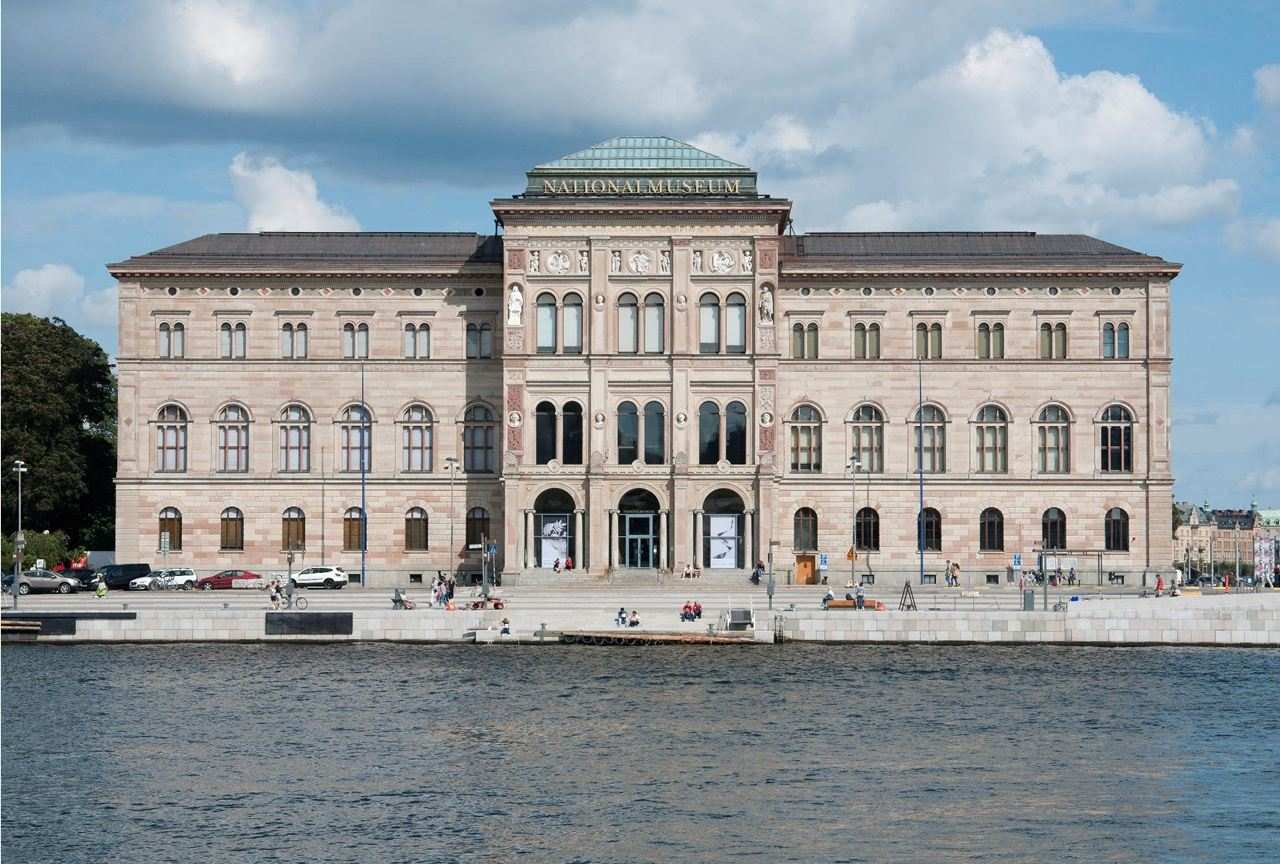
1. Nationalmuseum
Experience the extensive design collections at Nationalmuseum, which is the national museum of art and design, located in Stockholm. The building on Blasieholmen has been renovated in recent years and the result is excellent. The permanent collection covers Swedish design history from the 16th century through to the contemporary, with strength in applied arts, prints, and drawings. Free admission for visitors under 25. Closed Mondays.
2. ArkDes
Arkitektur- och designcentrum is adjacent to the Moderna Museet on Skeppsholmen and free to enter. The exhibitions change regularly but the collection is a solid overview of Swedish design thinking across the 20th and 21st centuries. The building itself is worth seeing, particularly the connection between the new and historic structures.
3. Art Gallery in the Archipelago
This is the one that takes planning. Several small galleries operate on islands like Vaxholm, Grinda, and Sandhamn during the summer season. The work tends toward landscape, craft, and marine themes, which makes sense when you arrive by boat. Ferries run regularly from central Stockholm in summer. Check individual gallery websites for opening hours, which can be seasonal and irregular.
4. The Cemetery
Skogskyrkogarden is a UNESCO World Heritage Site and one of the most striking landscape architecture projects in Europe. It was designed in the early 20th century by Gunnar Asplund and Sigurd Lewerentz, and the way they handled the relationship between built structures and the natural landscape is genuinely moving. It is not a conventional sightseeing destination, which means it tends to be quiet even when the rest of the city is busy. Our 5 nature experiences covers more outdoor options if you’re looking to combine it with other stops.
5. The Design District Walk
The area around Sodermalm and surrounding neighbourhoods has a concentration of smaller galleries, design shops, and studio spaces that reward walking without a fixed agenda. Start at Gotgatan and follow the side streets. The discoveries are better when you are not trying to find them.
Closing Thought
Stockholm does not make design hard to find. It puts it in the metro, on the streets, in the parks, and in buildings you walk past every day. The five stops above are the obvious ones. The rest is in the details.
You Might Also Find These Useful
If you are exploring Stockholm’s design scene, you may also enjoy Design Lover’s Top 10 for curated store recommendations, or best fika spots for the coffee and pastry culture that pairs naturally with gallery visits.