The tourists take cabs and walking tours. The locals take the boat to work. This is not a metaphor about Stockholm being a place where people are casually scenic in their commute. It is simply true that the most interesting views of the city are best accessed via public transport, and the most efficient way to get around is the same ticket that takes you past those views.
Stockholm’s public transportation network covers 14 islands, the underground, and most places in between. One SL card and you are in business.
The Ferries Are Not a Tourist Activity
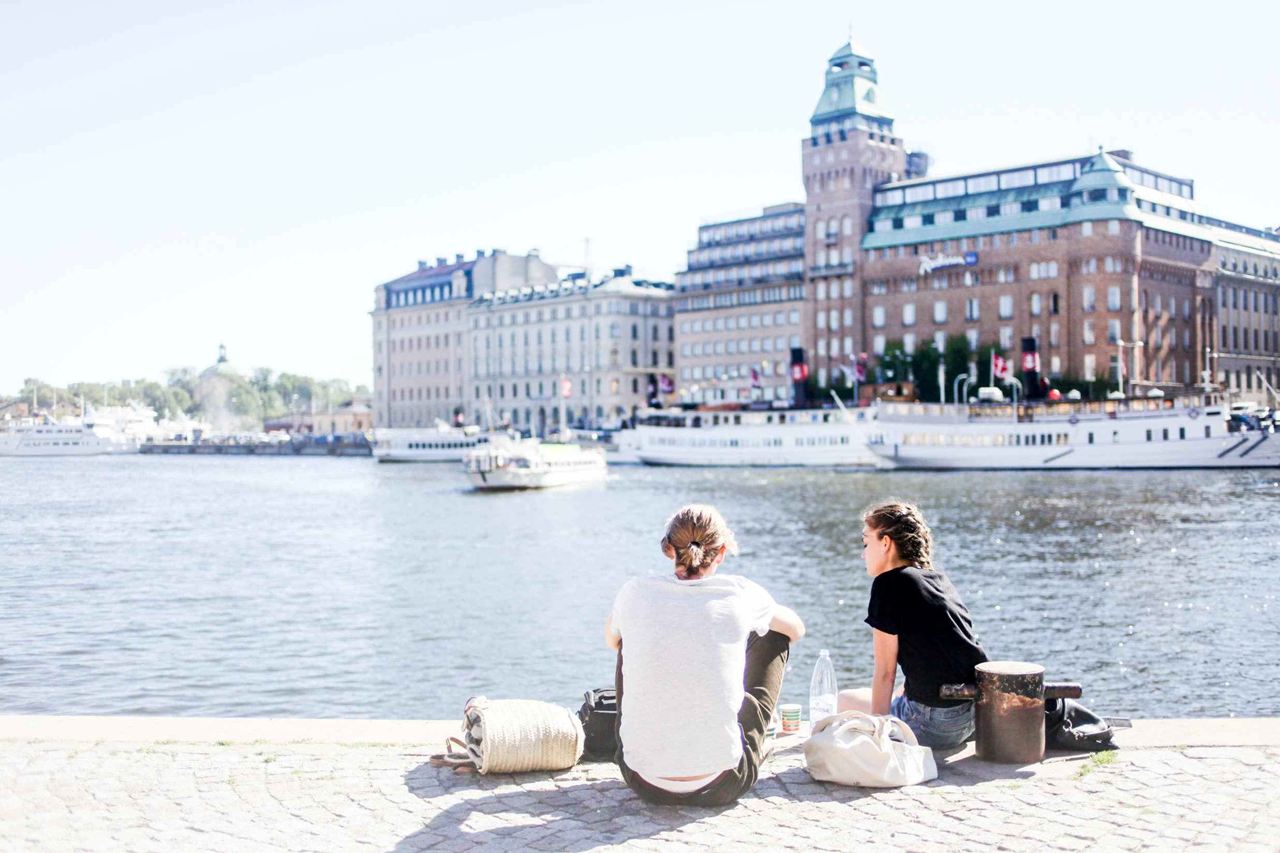
This is the thing most visitors get wrong. The archipelago boats are public transport. They are how people who live here get to islands that are also their homes. The route from Nybrokajen to Djurgården is a commute, not a cruise. When you treat it as a sightseeing excursion, you are doing exactly what residents do, except you have a camera.
The bonus is that a standard SL ticket works on most of them. The day pass covers boats, metro, buses, and trams. See our guide to buying SL tickets for the practical details. For about 130 SEK you get unlimited travel within zones and access to the waterway network. This is a better deal than any hop-on-hop-off bus tour and you get there without being trapped in traffic.
Specific boat routes worth knowing: the Djurgården ferry from Slussen runs year-round and is faster than walking. The inner archipelago routes connect islands that have no road access. The Långholmen route in the evening has a particular quality of light that residents consistently mention and visitors consistently miss.
The Metro Is a Gallery
The tunnelbana is famous for a reason. Over 90 stations, most with artwork commissioned directly from Swedish artists. Some stations are carved into rock and feel genuinely subterranean in a way that most metro systems don’t. Others are bright and weird and clearly designed by someone who thought the underground could be interesting rather than merely functional. If you want the full picture of Stockholm’s art underground, the Stockholm metro art guide covers the major installations station by station.
Rådhuset, Solna centrum, and Kungsträdgården are the commonly cited ones. But the real approach is to take a line you haven’t taken and get off at every station that looks interesting from the train. You will find something unexpected.
The Bus Network Covers What the Metro Doesn’t
The metro misses the edges. Bus 1 runs from the city center through areas that don’t have convenient metro access and the route passes through neighborhoods that give you a different texture of the city. Bus 76 goes along the waterfront in a way that is more relaxed than the ferry and covers parts of the inner city the boats don’t reach.
Night buses exist and are more useful than they sound, but the network thins out significantly after midnight if you’re out late.
Practical Notes
Get the SL app. It handles tickets, route planning, and real-time departures without needing to interact with a machine. The ticket machines at stations work but the app is faster and less likely to be in Swedish only.
Peak hours on the metro are genuinely crowded. If you can travel outside 7-9am and 4-7pm on weekdays, your experience is noticeably better.
The SL card works on the Arlanda Express is false, but the Flygbussarna and local Stockholm commuter trains accept SL tickets within the city zones. For more on the city’s top attractions, see our top 10 things to do in Stockholm.
Closing Thought
The most local way to see Stockholm is to stop thinking of public transport as a means to an end and start thinking of it as part of the experience. You are already going somewhere. The ride is worth paying attention to.