Gamla Stan is four islands, not one. If you’re planning a longer stay, our one-week city break guide covers how to use Stockholm as a base and spread out from there. The common image of it focuses on Stadsholmen, the main island with the crooked streets and the tourist restaurants, but the old town actually includes Riddarholmen, Helgeandsholmen, and Strömsborg. Together they make up the original city centre, and the scale of the place is larger than most visitors realize.
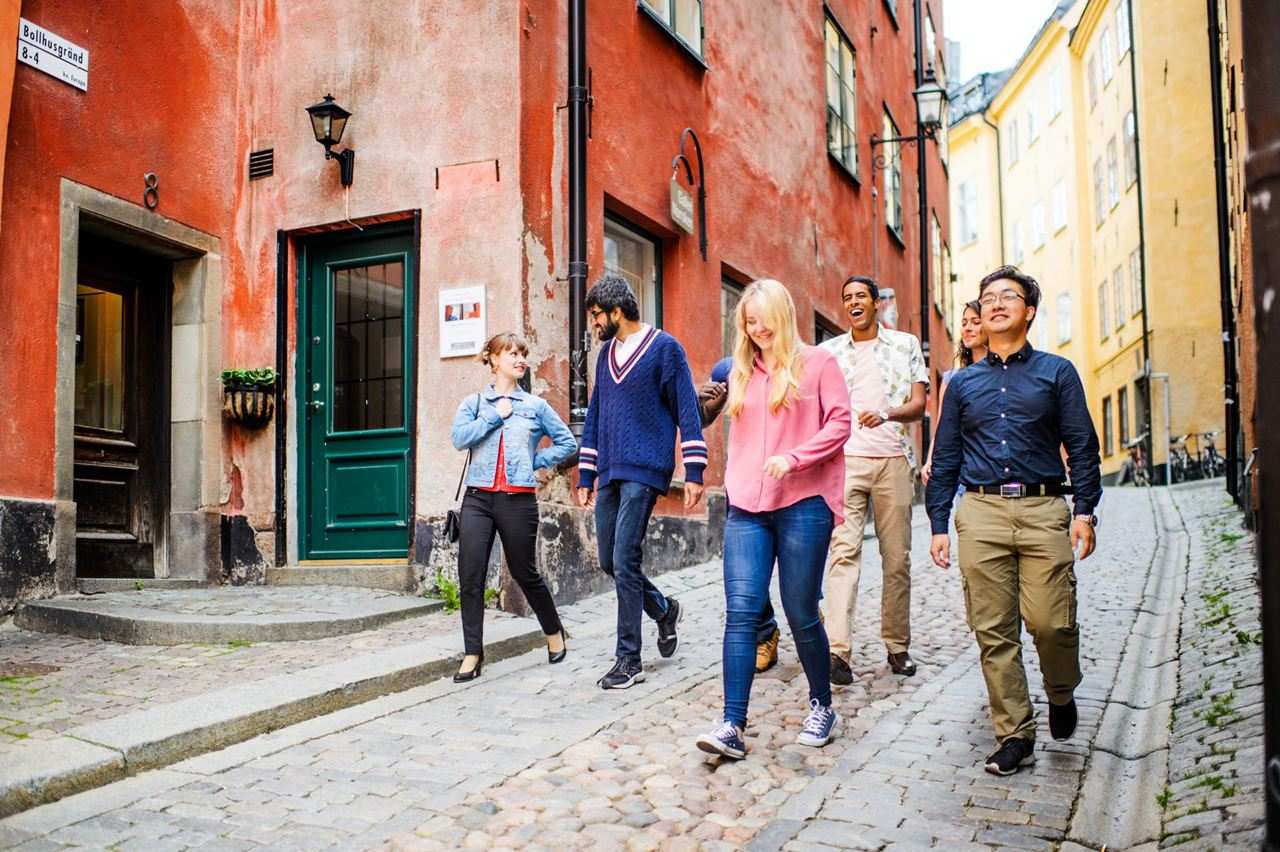
The neighbourhood dates back to the 13th century, which means the street you’re standing on was laid out before a lot of things you’re taught about in school. The cobblestones are real, the alleyways are genuinely medieval, and the reason everything leans slightly is not charming renovation but the actual age of the foundations.
North German architecture had a strong influence here, which shows up in the building colours and the proportions of the doorways. This is not a Swedish aesthetic, it’s a traded one. Stockholm was always a trading city first and the buildings reflect that.
What You’re Actually Walking Into
The big cathedral is Stortorget, the main square, and it is genuinely historic but it is also where the overpriced tourist restaurants set up their terraces. For more museum and gallery options in the city, see our culture and art guide. The side streets off Stortorget are more interesting and cheaper to eat in. The actual oldest part of Gamla Stan is the area around Slottsbacken, near the palace approach, which predates the tourist zone by several centuries.
Riddarholmen is the quietest of the four islands and the most worth walking to if you want to feel the place without crowds. The church there is where Swedish royalty has been buried since the 17th century. On a quiet Tuesday morning it’s one of the more striking places in the city.
When to Come
July and August are genuinely crowded, particularly around Stortorget and Västerlånggatan, which is the long street full of tourist shops. The cruise ships arrive in force and the old town becomes very loud and very expensive for coffee.
October through April, the crowds thin out significantly. The archipelago is quieter in these months too, see our off-season archipelago guide for off-peak travel ideas. December is interesting because the old town at night with Christmas lights is genuinely atmospheric in a way that doesn’t feel manufactured. The key is to arrive before nine in the morning regardless of the season, or after six in the evening.

Worth Seeing
*Gamla Stan dates back to the 13th century. The medieval alleyways, cobbled streets, and North German architectural influence have survived surprisingly well, given that this is a working neighbourhood with real residents, not a museum piece.*
What Residents Say About Gamla Stan
“You do the city justice, amazingly beautiful pictures just like the Gamla Stan is.”
, Instagram visitor
“I love living in GS. I live here with my wife, three kids, and a dog. When you have kids in school, it feels a bit like a village. The kids run around in the alleys or hang out at MO (youth center). As an adult, everything is close! Lots of good restaurants and bars. Sure, it sucks when it comes to grocery stores, but I usually go to the city center or Söder to buy food. As for the dog, it’s not ideal, but I usually go to Långholmen, and on half of the island, you can let the dog off the leash. I don’t live on Västerlånggatan but in a more quiet part with a nice courtyard, so I’m not bothered so much by all the tourists.”
, Reddit user, verified resident of Gamla Stan
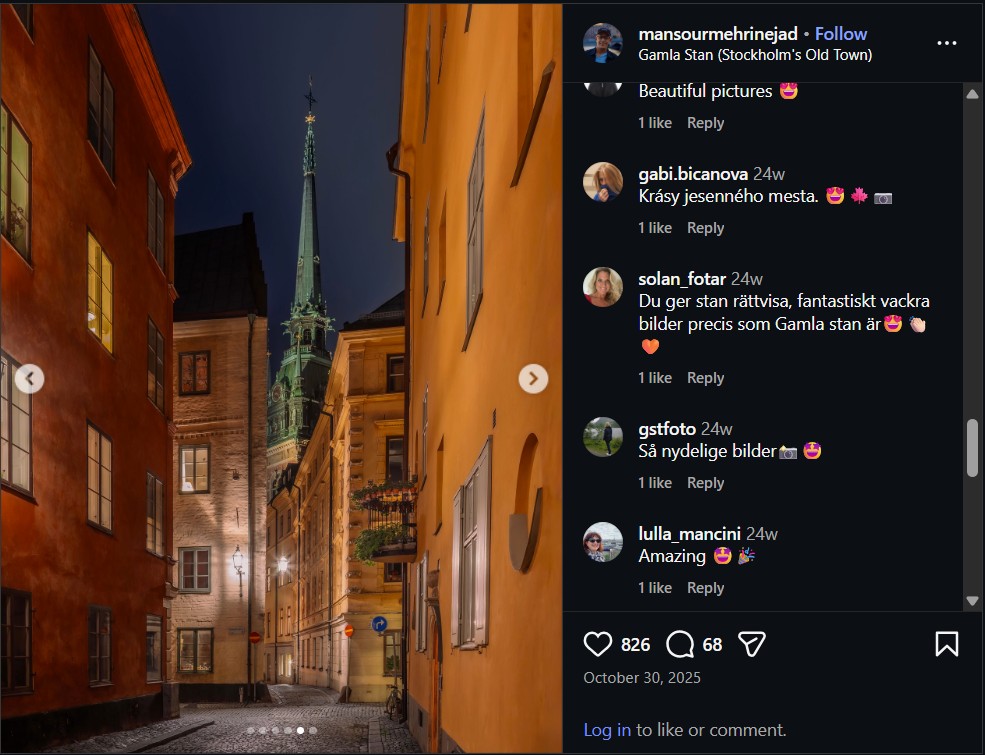
*Authentic visitor testimonial from Instagram capturing the timeless beauty of Stockholm's Old Town and its medieval charm.*
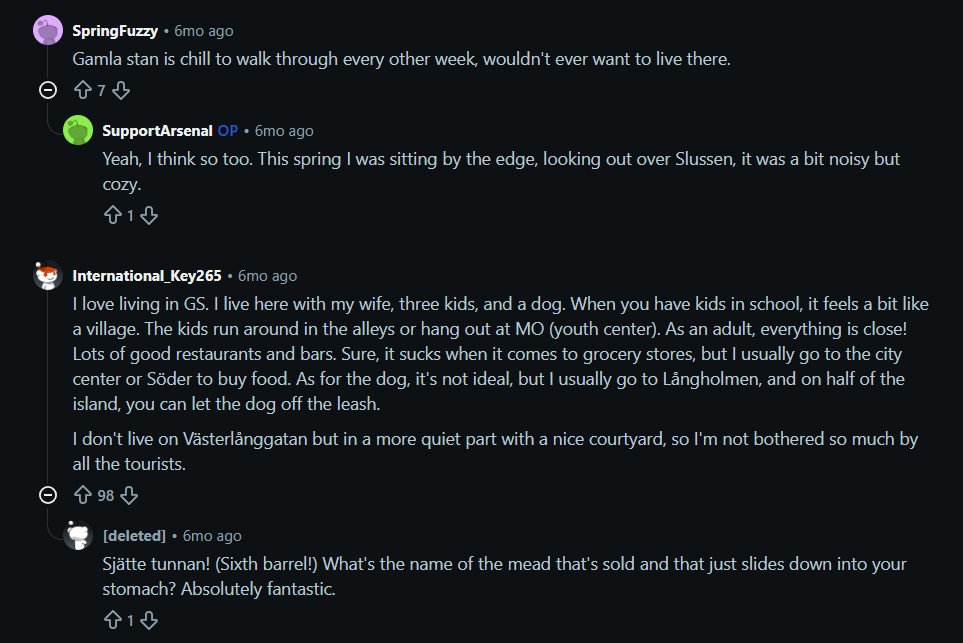
*Real resident experience from Reddit, offering a glimpse into daily life in Gamla Stan beyond the tourist areas.*
Getting There
Gamla Stan is reachable by metro on the green line, stop Gamla Stan. The walk from Sergels torg takes about eight minutes. From the waterfront, most ferries that pass through the city centre will stop near Nybrokajen or Strömparterren, both of which are a short walk across the bridges.
Closing Thought
Gamla Stan is best understood as a place people live, not just a place people visit. There are residents, there are embassies, there are offices. The tourist layer on top of it is real but it’s not the whole story. Walk east from Stortorget and you’ll find it.