Sweden’s parliament has approved a set of significant changes to residence permit rules for researchers, PhD students, and higher education students. The new regulations take effect on June 11, and the split in approach is notable, researchers and PhD students gain considerably more flexibility, while students face stricter conditions.
Quick Facts
- Effective date: June 11, 2026
- Who benefits most: Researchers, PhD students
- Who faces restrictions: Higher education students, family members on dependent permits
- Source: Migrationsverket
What’s Expanding for Researchers and PhDs
The new rules make it considerably easier for researchers and PhD students to build a stable life in Sweden.
No need to leave Sweden to apply. Previously, researchers and PhD students sometimes had to leave the country to apply for a new permit category. The new rules allow applications from within Sweden in more situations.
Permanent residency after three years. In certain cases, time spent on a research or PhD permit can now count toward permanent residency after just three years, a significant acceleration compared to the standard four-year route.
Extended job-seeking window. After completing research or doctoral studies, permit holders now have up to 18 months to seek employment or explore starting a business before their permit expires.
PhD students get a new option. PhD students with a reception agreement from an approved research institution can now qualify for a research permit instead of a student permit, opening the door to the accelerated residency path above.
*New rules give researchers and PhD students a clearer path to permanent residency in Sweden.*
What’s Tightening for Students
For higher education students, the direction is the opposite.
Side work becomes more restricted. The conditions for working alongside studies are now stricter. If you are on a student permit, check exactly how many hours and what type of work are permitted under the new rules.
Academic progress requirements clarified. Migrationsverket will apply clearer rules on how much academic progress is required to maintain your permit and to qualify for extensions.
Two semesters before switching permits. To switch from a student permit to another permit type (such as a work permit) from within Sweden, you generally need to have completed at least two semesters of higher education first.
Family permits more vulnerable. If you are a family member on a dependent permit, the new rules make those permits more sensitive to the primary permit holder’s status. Revocation of the main permit can now more directly affect yours.
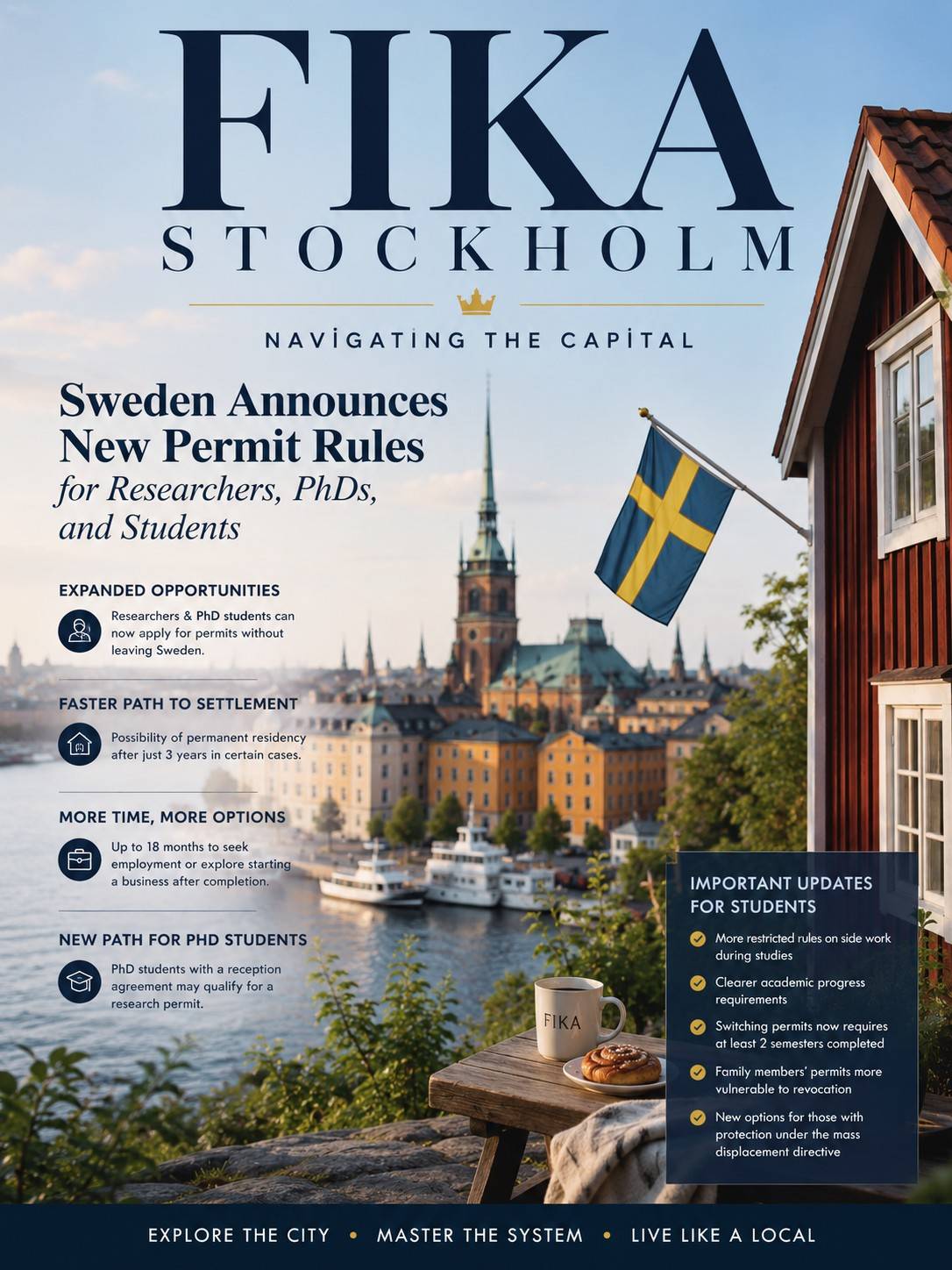
*Students face stricter side work rules and must complete at least two semesters before switching permit types from within Sweden.*
New Possibilities for Those Under Mass Displacement Protection
One positive note for a wider group: people currently in Sweden under the mass displacement directive (massflyktingdirektivet) now gain the ability to apply for permits on other grounds, such as work or business, from within Sweden, without needing to leave first.
This applies to those whose temporary protection is expiring and who want to regularise their status through other channels.
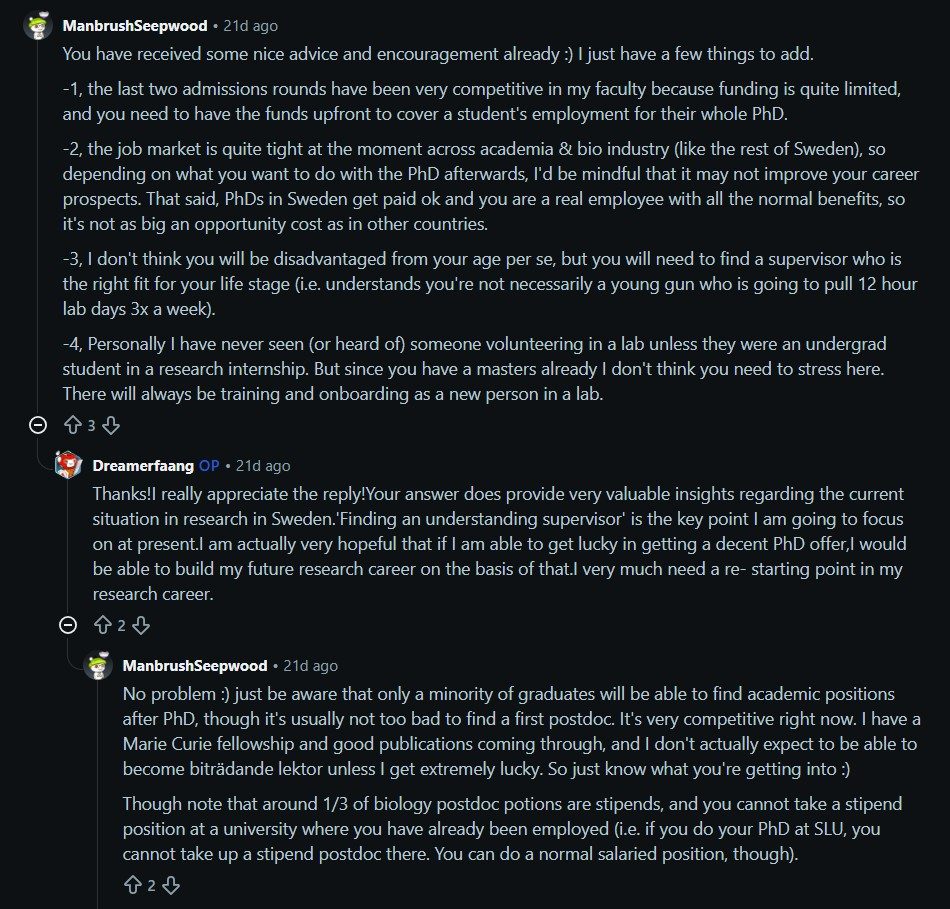
*Community discussions on how the new rules affect different groups in Sweden.*
Frequently Asked Questions
I am already on a student permit. Do these changes affect me?
Yes. Academic progress requirements are now enforced more strictly. If you have concerns about your progress, contact your university and a migration advisor before June 11.
Can I switch from a student permit to a work permit right now?
Under current rules, yes in many cases. Under the new rules from June 11, you generally need two semesters of completed higher education first.
I am a PhD student. When can I start benefiting from the three-year pathway to permanent residency?
The three-year pathway applies to time spent on the research permit after June 11 in qualifying situations. If you have already been on a research permit, check with Migrationsverket or a migration lawyer to see how your existing time counts.
Does the 18-month job-seeking window apply to PhD students only?
The rules mention researchers and PhD students specifically. If you hold a researcher permit, you should also be able to access the extended window after your research period ends.

Verify Your Permit Category Before Your Arrival Date
The June 2026 changes narrow the gap between research and study permits while tightening monitoring of student enrollment and activity. If you hold or are applying for a research, PhD, or student permit, verify which category applies to your situation directly on Migrationsverket’s updated pages — the rules differ depending on whether your program is EU-funded or university-led. Check well before your arrival or renewal date to avoid a lapse.